Top 5 Things to Check Before Choosing a Biospecimen CRO in India
Research Guide · CRO Selection Top 5 Things to Check Before Choosing a Biospecimen CRO in India ✍ By Arava Vineel Kumar ⏱ 10 min read 📋 In This Guide (9 sections) ▼ Why CRO Selection Matters More Than You Think Check #1: Accreditations and Certifications — Non-Negotiable Check #2: Infrastructure — What Is Actually in the Building? Check #3: Scientific Experience — Depth Matters Check #4: Regulatory and Documentation Standards Check #5: Project Management and Communication Quality How Biospecimen Solutions Meets Every Criterion Frequently Asked Questions Conclusion: The Right CRO Is a Research Multiplier Selecting the right biospecimen CRO in India is one of the most consequential decisions a pharma company, biotech organization, or academic research institution can make. Choose well, and your study runs on schedule with samples you can trust. Choose poorly, and you risk compromised data, regulatory failures, and wasted investment that cannot be recovered. India has a rapidly growing CRO ecosystem — with hundreds of contract research organizations offering biospecimen-related services. But not all of them operate to the same standard. Accreditations vary. Infrastructure ranges from basic to world-class. Experience levels differ dramatically across therapeutic areas and sample types. This guide breaks down the 5 most critical things every sponsor should check before committing to a biospecimen collection partner in India — based on what actually determines study success or failure. Why CRO Selection Matters More Than You Think Before diving into the checklist, it is worth understanding what is actually at stake. A biospecimen is not just a vial of blood or a tissue slice — it is a data point, a piece of evidence, and in many cases, the foundation on which regulatory submissions, drug efficacy claims, and clinical decisions will be built. When a sample is collected incorrectly, stored at the wrong temperature, labelled inaccurately, or shipped without proper cold chain management, the damage is often invisible until it is too late. No amount of statistical analysis can rescue a study built on compromised samples. ⚠️ Critical Risk: The right biospecimen CRO in India is not just a vendor — it is a scientific partner whose operational discipline becomes part of your research record. Choose on cost alone and you may pay far more in compromised data and failed submissions. Check #1: Accreditations and Certifications — Non-Negotiable 1 Check #1: Accreditations and Certifications — Non-Negotiable The first and most important filter when evaluating any biospecimen CRO in India is their accreditation status. Accreditations are not just badges — they are third-party verified proof that a laboratory operates to defined quality standards. An unaccredited or lapsed-accreditation CRO introduces risk into every phase of your study. Core Accreditations to Demand ISO 9001 Certification — international standard for quality management systems across all operations NABL Accreditation — India’s primary lab body, recognised under ILAC and APAC Mutual Recognition Arrangements GLP Compliance — mandatory for regulatory submission data; ensures integrity, traceability, and reproducibility Full Accreditation Breakdown See all accreditations and what each one means for your study ▼ ISO 9001: Covers quality management across every operational area — from sample receipt to delivery. Baseline expectation for any international sponsor engaging an Indian CRO. NABL (ISO/IEC 17025 / ISO 15189 / ISO 20387): India’s primary laboratory accreditation body. Results accepted internationally under Mutual Recognition Arrangements with ILAC and APAC. For biobanks, ISO 20387 is the specific standard. GLP Compliance: Essential for studies where data will be submitted to regulatory agencies. Ensures data integrity, traceability, and reproducibility under a structured framework. ICH GCP Compliance: Mandatory for any study involving human subjects. Governs how studies are conducted, recorded, and reported — protecting subject safety alongside data quality. ISO 20387: Specific to biobanks — covers collection, storage, and distribution of biological material. Critical for any CRO managing a biospecimen repository. ISO 15189: Medical laboratory standard covering quality and competence in clinical testing environments. 🎯 Ask the CRO These Questions Can you provide your current ISO and NABL certificates with expiry dates? When were you last independently audited, and by whom? Are you GLP and ICH GCP compliant for biospecimen collection studies involving human subjects? NABL ISO certified biospecimen laboratory India Check #2: Infrastructure — What Is Actually in the Building? 2 Check #2: Infrastructure — What Is Actually in the Building? Accreditations tell you what a CRO should be capable of. A facility visit or detailed infrastructure audit tells you what they actually have. Biospecimen storage quality and collection capability are entirely dependent on physical infrastructure — and shortfalls here directly translate into sample integrity failures. ⚠️ Critical: A single power failure without backup generator systems can destroy an entire study’s sample inventory overnight. Always confirm uninterrupted cold chain infrastructure before signing any agreement. ℹ️ In 2026: NABL accreditation under ISO/IEC 17025 effectively requires documented audit trails and calibration records that are extremely difficult to maintain without a LIMS. A CRO operating without LIMS is working at a ceiling that limits both quality and regulatory readiness. Laboratory Classification Confirm whether the CRO has BSL-2 and BSL-3 certified laboratory space. BSL-2 is required for most human biospecimen work. BSL-3 is needed for samples from patients with serious infectious diseases. A CRO without appropriate biosafety levels cannot safely handle the full range of sample types your study may require. Full Infrastructure Checklist Expand full infrastructure requirements checklist ▼ -80°C ULT Freezers: Ultra-low temperature storage with sufficient capacity for your study volume. Confirm the number of units and total sample capacity. Liquid Nitrogen (-196°C): Required for long-term archival and sensitive biological materials including viable cells and certain genomic samples. Backup Generators: Uninterrupted cold chain during power outages — non-negotiable for any serious CRO in India. 24/7 Temperature Monitoring: Automated alerts for any deviation from set parameters, with documented response protocols. LIMS Integration: Real-time chain of custody tracking, inventory management, and audit-ready data trails for regulatory submissions. Redundant Storage Systems: Backup capacity in case primary systems fail — ask specifically whether redundancy is built in or aspirational. Automated Sample Processing: Centrifugation, aliquoting, DNA/RNA
Top 5 Things to Check Before Choosing a Biospecimen CRO in India
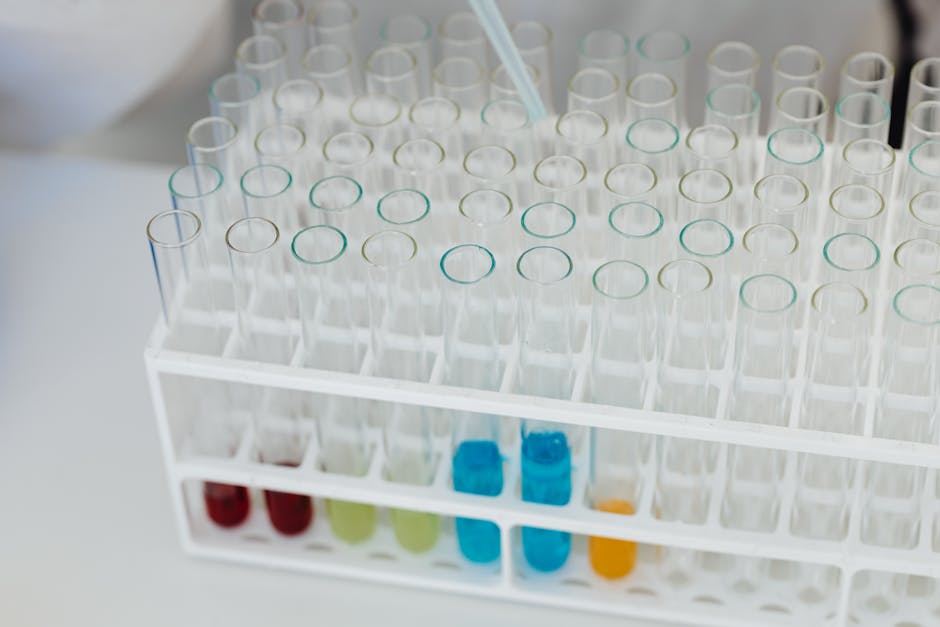
Research Guide · CRO Selection Top 5 Things to Check Before Choosing a Biospecimen CRO in India ✍ By Arava Vineel Kumar ⏱ 10 min read 📋 In This Guide (9 sections) ▼ Why CRO Selection Matters More Than You Think Check #1: Accreditations and Certifications — Non-Negotiable Check #2: Infrastructure — What Is Actually in the Building? Check #3: Scientific Experience — Depth Matters Check #4: Regulatory and Documentation Standards Check #5: Project Management and Communication Quality How Biospecimen Solutions Meets Every Criterion Frequently Asked Questions Conclusion: The Right CRO Is a Research Multiplier Selecting the right biospecimen CRO in India is one of the most consequential decisions a pharma company, biotech organization, or academic research institution can make. Choose well, and your study runs on schedule with samples you can trust. Choose poorly, and you risk compromised data, regulatory failures, and wasted investment that cannot be recovered. India has a rapidly growing CRO ecosystem — with hundreds of contract research organizations offering biospecimen-related services. But not all of them operate to the same standard. Accreditations vary. Infrastructure ranges from basic to world-class. Experience levels differ dramatically across therapeutic areas and sample types. This guide breaks down the 5 most critical things every sponsor should check before committing to a biospecimen collection partner in India — based on what actually determines study success or failure. Why CRO Selection Matters More Than You Think Before diving into the checklist, it is worth understanding what is actually at stake. A biospecimen is not just a vial of blood or a tissue slice — it is a data point, a piece of evidence, and in many cases, the foundation on which regulatory submissions, drug efficacy claims, and clinical decisions will be built. When a sample is collected incorrectly, stored at the wrong temperature, labelled inaccurately, or shipped without proper cold chain management, the damage is often invisible until it is too late. No amount of statistical analysis can rescue a study built on compromised samples. ⚠️ Critical Risk: The right biospecimen CRO in India is not just a vendor — it is a scientific partner whose operational discipline becomes part of your research record. Choose on cost alone and you may pay far more in compromised data and failed submissions. Check #1: Accreditations and Certifications — Non-Negotiable 1 Check #1: Accreditations and Certifications — Non-Negotiable The first and most important filter when evaluating any biospecimen CRO in India is their accreditation status. Accreditations are not just badges — they are third-party verified proof that a laboratory operates to defined quality standards. An unaccredited or lapsed-accreditation CRO introduces risk into every phase of your study. Core Accreditations to Demand ISO 9001 Certification — international standard for quality management systems across all operations NABL Accreditation — India’s primary lab body, recognised under ILAC and APAC Mutual Recognition Arrangements GLP Compliance — mandatory for regulatory submission data; ensures integrity, traceability, and reproducibility Full Accreditation Breakdown 🎯 Ask the CRO These Questions Can you provide your current ISO and NABL certificates with expiry dates? When were you last independently audited, and by whom? Are you GLP and ICH GCP compliant for biospecimen collection studies involving human subjects? NABL ISO certified biospecimen laboratory India Check #2: Infrastructure — What Is Actually in the Building? 2 Check #2: Infrastructure — What Is Actually in the Building? Accreditations tell you what a CRO should be capable of. A facility visit or detailed infrastructure audit tells you what they actually have. Biospecimen storage quality and collection capability are entirely dependent on physical infrastructure — and shortfalls here directly translate into sample integrity failures. ⚠️ Critical: A single power failure without backup generator systems can destroy an entire study’s sample inventory overnight. Always confirm uninterrupted cold chain infrastructure before signing any agreement. ℹ️ In 2026: NABL accreditation under ISO/IEC 17025 effectively requires documented audit trails and calibration records that are extremely difficult to maintain without a LIMS. A CRO operating without LIMS is working at a ceiling that limits both quality and regulatory readiness. Laboratory Classification Confirm whether the CRO has BSL-2 and BSL-3 certified laboratory space. BSL-2 is required for most human biospecimen work. BSL-3 is needed for samples from patients with serious infectious diseases. A CRO without appropriate biosafety levels cannot safely handle the full range of sample types your study may require. Full Infrastructure Checklist 🎯 Ask the CRO These Questions What is your total cryogenic storage capacity in samples or cubic metres? Do you have backup generators and 24/7 temperature monitoring with alert logs? Can we review your LIMS and chain of custody documentation process? What is your BSL classification and which sample types are you certified to handle? Cryogenic storage laboratory biospecimen India Check #3: Scientific Experience — Depth Matters 3 Check #3: Scientific Experience — Depth Matters Not all CROs are equally experienced across all study types and sample categories. A CRO that handles routine blood collection well may not have the expertise for complex matched biospecimen sets, rare tissue types, or genomic study requirements. Before committing, validate their experience specifically within your therapeutic area and sample type. Therapeutic Area Experience to Verify Retrospective vs. Prospective Capability Does the CRO support both retrospective collection from archived repositories and prospective collection from newly enrolled subjects? Many biomarker discovery and validation programs require both. Confirm capability for each before engagement — some CROs specialise in one and lack genuine infrastructure for the other. 💡 Pro Tip: Ask specifically for anonymised case studies or reference projects that match your study type and therapeutic area. A CRO confident in their capabilities will provide these without hesitation. Reluctance or vague responses here is a meaningful signal. 🎯 Ask the CRO These Questions Which therapeutic areas have you supported in the last 24 months, and at what study scale? Do you have both retrospective repository access and prospective collection capability? Can you share anonymised case studies or reference sponsors in our therapeutic area? What is the size and composition of
Bike Scrapping in Mysore – Complete Guide (2026)
Vehicle Scrapping Guide · Mysore Bike Scrapping in Mysore – Complete Guide (2026) ✍ By QuickVehicleScrap Team ⏱ 10 min read 📋 In This Guide (7 sections) ▼ Why Bike Scrapping is Important in Mysore Check #1: Scrapping Rules & RTO Regulations in Mysore Check #2: Bike Scrapping Process in Mysore Check #3: Documents Required in Mysore Check #4: Scrap Bike Price in Mysore Check #5: Pickup & Service Availability in Mysore Frequently Asked Questions If you have an old or unused bike in Mysore, deciding what to do with it can be confusing. Many vehicle owners try to repair aging bikes, but rising maintenance costs and stricter regulations make that option less practical. In most cases, scrapping your old bike becomes the smartest and most cost-effective decision. In this complete guide, you’ll learn everything about bike scrapping in Mysore — including the legal process, documents required, scrap value, and how to get your bike picked up easily from your location. — Why Bike Scrapping is Important in Mysore Mysore has seen steady growth in traffic and vehicle usage over the past decade. Older two-wheelers contribute significantly to pollution and often fail to meet emission standards. Bikes older than 15 years require fitness certification, and maintaining such vehicles becomes expensive. Scrapping helps avoid legal risks and reduces long-term costs. ⚠️ Critical: Keeping an unfit or expired bike in Mysore can lead to fines, penalties, or vehicle seizure. 1 Check #1: Scrapping Rules & RTO Regulations in Mysore Bike scrapping in Mysore is regulated by the Karnataka RTO. Vehicles older than 15 years must undergo fitness testing. If the vehicle fails, scrapping is recommended. Karnataka RTO Guidelines The Karnataka transport department mandates proper documentation and ensures that scrapping is done legally through approved processes. 15-year vehicle rule applies Fitness certificate required after 15 years RC cancellation is mandatory Scrapping must follow environmental norms 🎯 Ask the CRO These Questions Is my bike eligible for scrapping in Mysore? What are the RTO rules in Karnataka? Do I need a fitness certificate before scrapping? bike scrapping mysore dismantling process india 2 Check #2: Bike Scrapping Process in Mysore The bike scrapping process in Mysore is simple when handled by a professional service provider. Schedule pickup from your location Submit required documents Vehicle inspection and valuation Safe dismantling and scrapping RC cancellation through RTO A reliable service provider will manage the entire process, making it hassle-free for vehicle owners. 💡 Pro tip: Always choose a scrapping service that provides RC cancellation support to avoid future legal issues. 3 Check #3: Documents Required in Mysore To scrap your bike legally, you need proper documentation to ensure smooth processing. Original RC (Registration Certificate) Valid ID proof (Aadhaar, PAN, etc.) Address proof NOC from bank (if the vehicle has a loan) In cases where documents are missing, additional verification may be required. ⚠️ Important: Missing or incorrect documents can delay the scrapping process and RC cancellation. bike scrapping documents mysore rc process 4 Check #4: Scrap Bike Price in Mysore The scrap value of your bike depends on factors such as weight, current metal rates, and overall condition of the vehicle. In Mysore, scrap pricing is generally calculated per kilogram, and heavier bikes tend to fetch better value. ℹ️ In 2026: Scrap prices fluctuate depending on global metal demand and local market conditions. Factor Impact on Price Bike weight ✓ High Metal rate ✓ Medium Condition ✓ Medium 5 Check #5: Pickup & Service Availability in Mysore QuickVehicleScrap offers bike scrapping services across Mysore with doorstep pickup options. Pickup is usually arranged within 24–48 hours, depending on your location and availability. 💡 Pro tip: Choosing a service with doorstep pickup saves time and ensures a smooth experience. Frequently Asked Questions How do I scrap my bike in Mysore?+ You can contact a scrapping service, submit your documents, and schedule a pickup from your location. Is RC cancellation mandatory after scrapping?+ Yes, RC cancellation is required to avoid future legal complications. How long does bike scrapping take in Mysore?+ The process usually takes 1–3 days depending on documentation and pickup timing. Can I scrap a bike without RC?+ It is possible but requires additional verification and legal steps. What scrap price will I get for my bike?+ The price depends on the bike’s weight, condition, and current metal rates. QT QuickVehicleScrap Team Vehicle Scrapping Experts — QuickVehicleScrap QuickVehicleScrap is a trusted vehicle scrapping service helping customers across India with fast, legal, and hassle-free bike and car scrapping solutions. 🔗 View Full Profile → This article is for informational purposes only.© [Your Company] · [yourwebsite.com]
Bike Scrapping in Mysore (2026) – Process, Price & Pickup Guide
Vehicle Scrapping Guide · Mysore Bike Scrapping in Mysore (2026) – Process, Price & Pickup Guide ✍ By QuickVehicleScrap Team ⏱ 10 min read 📋 In This Guide Why Bike Scrapping is Important in Mysore Check #1: Scrapping Rules & RTO Regulations in Mysore Check #2: Bike Scrapping Process in Mysore Check #3: Documents Required in Mysore Check #4: Scrap Bike Price in Mysore Check #5: Pickup & Service Availability in Mysore Frequently Asked Questions If you have an old or unused bike in Mysore, deciding what to do with it can be confusing. Many vehicle owners try to repair aging bikes, but rising maintenance costs and stricter regulations make that option less practical. In most cases, scrapping your old bike becomes the smartest and most cost-effective decision. In this complete guide, you’ll learn everything about bike scrapping in Mysore — including the legal process, documents required, scrap value, and how to get your bike picked up easily from your location. — Why Bike Scrapping is Important in Mysore Mysore has seen steady growth in traffic and vehicle usage over the past decade. Older two-wheelers contribute significantly to pollution and often fail to meet emission standards. Bikes older than 15 years require fitness certification, and maintaining such vehicles becomes expensive. Scrapping helps avoid legal risks and reduces long-term costs. ⚠️ Critical: Keeping an unfit or expired bike in Mysore can lead to fines, penalties, or vehicle seizure. 1 Check #1: Scrapping Rules & RTO Regulations in Mysore Bike scrapping in Mysore is regulated by the Karnataka RTO. Vehicles older than 15 years must undergo fitness testing. If the vehicle fails, scrapping is recommended. Karnataka RTO Guidelines The Karnataka transport department mandates proper documentation and ensures that scrapping is done legally through approved processes. 15-year vehicle rule applies Fitness certificate required after 15 years RC cancellation is mandatory Scrapping must follow environmental norms 🎯 Ask the CRO These Questions Is my bike eligible for scrapping in Mysore? What are the RTO rules in Karnataka? Do I need a fitness certificate before scrapping? bike scrapping mysore dismantling process india 2 Check #2: Bike Scrapping Process in Mysore The bike scrapping process in Mysore is simple when handled by a professional service provider. Schedule pickup from your location Submit required documents Vehicle inspection and valuation Safe dismantling and scrapping RC cancellation through RTO A reliable service provider will manage the entire process, making it hassle-free for vehicle owners. 💡 Pro tip: Always choose a scrapping service that provides RC cancellation support to avoid future legal issues. 3 Check #3: Documents Required in Mysore To scrap your bike legally, you need proper documentation to ensure smooth processing. Original RC (Registration Certificate) Valid ID proof (Aadhaar, PAN, etc.) Address proof NOC from bank (if the vehicle has a loan) In cases where documents are missing, additional verification may be required. ⚠️ Important: Missing or incorrect documents can delay the scrapping process and RC cancellation. bike scrapping documents mysore rc process 4 Check #4: Scrap Bike Price in Mysore The scrap value of your bike depends on factors such as weight, current metal rates, and overall condition of the vehicle. In Mysore, scrap pricing is generally calculated per kilogram, and heavier bikes tend to fetch better value. ℹ️ In 2026: Scrap prices fluctuate depending on global metal demand and local market conditions. Factor Impact on Price Bike weight ✓ High Metal rate ✓ Medium Condition ✓ Medium 5 Check #5: Pickup & Service Availability in Mysore QuickVehicleScrap offers bike scrapping services across Mysore with doorstep pickup options. Pickup is usually arranged within 24–48 hours, depending on your location and availability. 💡 Pro tip: Choosing a service with doorstep pickup saves time and ensures a smooth experience. Frequently Asked Questions How do I scrap my bike in Mysore?+You can contact a scrapping service, submit your documents, and schedule a pickup from your location. Is RC cancellation mandatory after scrapping?+Yes, RC cancellation is required to avoid future legal complications. How long does bike scrapping take in Mysore?+The process usually takes 1–3 days depending on documentation and pickup timing. Can I scrap a bike without RC?+It is possible but requires additional verification and legal steps. What scrap price will I get for my bike?+The price depends on the bike’s weight, condition, and current metal rates. QT QuickVehicleScrap Team Vehicle Scrapping Experts — QuickVehicleScrap QuickVehicleScrap is a trusted vehicle scrapping service helping customers across India with fast, legal, and hassle-free bike and car scrapping solutions. 🔗 View Full Profile → This article is for informational purposes only.© [Your Company] · [yourwebsite.com]
Genomic Biospecimens: DNA & RNA Sample Collection for NGS Studies in India
Research Guide · Genomic Services Genomic Biospecimens: DNA & RNA Sample Collection for NGS Studies in India ✍ By Dr. Manikanta ⏱ 13 min read 📋 In This Guide Why Genomic Biospecimen Quality Determines NGS Success What Are Genomic Biospecimens? DNA vs RNA — Understanding the Difference for NGS Step #1: Selecting the Right Sample Type for Your NGS Study Step #2: Collection Protocol — What Happens at the Site Step #3: DNA and RNA Extraction — Quality Standards That Matter Step #4: Quality Assessment Before NGS Library Preparation Step #5: Storage, Cold Chain, and International Shipment Why India Is a Strategic Choice for Genomic Biospecimen Collection How Biospecimen Solutions Supports Your NGS Study End-to-End Frequently Asked Questions Next-generation sequencing has fundamentally changed how researchers understand disease, identify drug targets, and develop precision therapies. But behind every NGS dataset — every variant call, every expression profile, every fusion gene discovery — is a biospecimen. And the quality of that biospecimen determines whether the NGS data it yields is scientifically credible or scientifically useless. Genomic biospecimen collection for NGS studies is one of the most technically demanding areas of clinical and translational research. Unlike standard blood draws or routine tissue processing, genomic sample collection requires a precise alignment of collection method, processing timeline, storage conditions, and extraction protocol — all calibrated to the specific NGS assay the samples will be used for. This guide covers everything pharma companies, biotech organizations, and academic research teams need to know about genomic biospecimen collection for NGS studies in India — from sample type selection and collection protocols to DNA and RNA extraction standards, quality assessment, and what to look for in a genomic CRO partner. — Why Genomic Biospecimen Quality Determines NGS Success Next-generation sequencing is an extraordinarily sensitive technology. It can detect single nucleotide variants at allele frequencies below 1%, identify gene fusions from small biopsy fragments, and generate whole-genome profiles from nanogram quantities of input DNA. But that sensitivity is a double-edged instrument — it amplifies both signal and noise. A degraded DNA sample does not just produce weaker results; it produces misleading results. Fragmented RNA does not just reduce sequencing yield; it distorts gene expression profiles, introduces artefacts, and generates false positives that can misdirect entire research programs. The implications for drug development are serious. A biomarker discovered from low-quality genomic biospecimens may not replicate in validation cohorts — not because the biology is wrong, but because the sample quality was inconsistent between discovery and validation. A companion diagnostic validated on FFPE-derived DNA from poorly fixed tissue may fail regulatory review because the extraction quality metrics were not documented or reproducible. In genomic research, sample quality is not a technical footnote — it is a foundational scientific variable. ⚠️ Critical: A degraded RNA sample does not just reduce NGS yield — it introduces expression artefacts that can generate false biomarker discoveries. Never proceed to library preparation without RIN assessment. What Are Genomic Biospecimens? Genomic biospecimens are biological samples collected from human subjects specifically for the purpose of extracting and analysing nucleic acids — DNA or RNA — as part of a genomic research or diagnostic program. In the context of NGS studies, genomic biospecimens are the physical starting material from which sequencing libraries are built. The diversity of sample types used in genomic research reflects the range of clinical questions being asked and the biological material available for each study design. Whole blood in EDTA tubes — for germline DNA analysis, whole genome sequencing, and targeted gene panels PAXgene RNA tubes — for gene expression profiling and transcriptomic studies, preserving RNA from whole blood at room temperature Peripheral Blood Mononuclear Cells (PBMCs) — for immune cell-specific transcriptomics and single-cell RNA sequencing Formalin Fixed Paraffin Embedded (FFPE) tissue blocks — for somatic mutation analysis, tumour profiling, and archival genomic studies Fresh-frozen tissue — for high-quality RNA extraction and comprehensive transcriptomic analysis Buccal swabs — for germline DNA in population genomics and pharmacogenomics studies Cell-free DNA (cfDNA) / Circulating Tumour DNA (ctDNA) — from plasma, for liquid biopsy and minimal residual disease monitoring Urine — for non-invasive ctDNA detection in bladder and urological cancers ℹ️ In 2026: Liquid biopsy biospecimens — plasma-derived cfDNA and ctDNA — have become central to oncology NGS programs. They require specialised collection tubes (Streck or BCT), rapid processing protocols, and ultra-sensitive sequencing library preparation. Confirm your CRO has validated liquid biopsy collection workflows before engagement. DNA vs RNA — Understanding the Difference for NGS The distinction between DNA and RNA collection fundamentally shapes every aspect of your biospecimen protocol — collection tube selection, processing timelines, storage conditions, and extraction methodology. Understanding these differences is essential for designing a genomic biospecimen collection program that will yield NGS-ready samples. DNA Biospecimens for NGS DNA is a relatively stable molecule. Whole blood collected in EDTA tubes for germline DNA analysis can be stored at 4°C for up to 72 hours before extraction without significant degradation. FFPE-derived DNA, while fragmented by the fixation process, is stable at room temperature for decades in properly stored blocks. DNA NGS applications include whole genome sequencing (WGS), whole exome sequencing (WES), targeted gene panels (oncology, pharmacogenomics, rare disease), copy number variation analysis, and somatic mutation profiling. RNA Biospecimens for NGS RNA is inherently unstable. It begins degrading from the moment of collection — enzymatic RNases present in blood and tissue actively destroy RNA within minutes at room temperature if samples are not properly stabilised. RNA NGS applications include gene expression profiling, RNA-seq for transcriptomic analysis, fusion gene detection, and single-cell RNA sequencing. For RNA studies, collection tube selection is critical — PAXgene RNA tubes contain a proprietary reagent that immediately lyses cells and stabilises RNA, enabling room temperature storage for up to 72 hours post-collection. 💡 Pro tip: For RNA studies, never use standard EDTA tubes. Always specify PAXgene RNA Blood tubes or equivalent stabilisation tubes in your collection protocol — and train site staff on immediate inversion after collection to ensure complete mixing with
Top 5 Things to Check Before Choosing a Biospecimen CRO in India
Research Guide Top 5 Things to Check Before Choosing a Biospecimen CRO in India ✍ By Author ⏱ 10 min read ⚠️ Important: Top 5 Things to Check Before Choosing a Biospecimen CRO in India Selecting the right biospecimen CRO in India is one of the most consequential decisions a pharma company, biotech organization, or academic research institution can make. Choose well, and your study runs on schedule with samples you can trust. Choose poorly, and you risk compromised data, regulatory failures, and wasted investment that cannot be recovered. India has a rapidly growing CRO ecosystem — with hundreds of contract research organizations offering biospecimen-related services. But not all of them operate to the same standard. Accreditations vary. Infrastructure ranges from basic to world-class. Experience levels differ dramatically across therapeutic areas and sample types. So how do you cut through the noise and identify a biospecimen CRO that will genuinely deliver? This guide breaks down the 5 most critical things every sponsor should check before committing to a biospecimen collection partner in India — based on what actually determines study success or failure. Why CRO Selection Matters More Than You Think Before we get into the checklist, it is worth understanding what is actually at stake. A biospecimen is not just a vial of blood or a tissue slice. It is a data point. It is evidence. In many cases, it is the foundation on which regulatory submissions, drug efficacy claims, and clinical decisions will be built. When a sample is collected incorrectly, stored at the wrong temperature, labelled inaccurately, or shipped without proper biospecimen cold chain management, the damage is often invisible until it is too late. No amount of statistical analysis can rescue a study built on compromised samples. This is why biospecimen CRO selection criteria matter far beyond cost and convenience. The right CRO is not just a vendor — it is a scientific partner whose operational discipline becomes part of your research record. Check #2: Infrastructure — What Is Actually In the Building? Accreditations tell you what a CRO should be capable of. A facility visit or detailed infrastructure audit tells you what they actually have. Biospecimen storage quality and collection capability are entirely dependent on physical infrastructure. When evaluating a biospecimen CRO India, ask specifically about: Laboratory Classification Does the CRO have BSL-2 and BSL-3 certified laboratory space? BSL-2 is required for most human biospecimen work. BSL-3 is needed for samples from patients with serious infectious diseases. A CRO without appropriate biosafety levels cannot safely handle the full range of sample types your study may require. Cryogenic Storage Capacity What is their cryogenic storage CRO India capacity? Specifically: How many -80°C ultra-low temperature (ULT) freezers do they operate? Do they have liquid nitrogen storage (-196°C) for long-term archival? What is their total storage capacity in samples or cubic metres? Do they have backup power systems (generators) for uninterrupted storage? Do they have 24/7 temperature monitoring with automated alerts? Biospecimen storage quality is entirely dependent on uninterrupted cold chain — a single power failure without backup can destroy an entire study’s sample inventory. LIMS — Laboratory Information Management System A modern LIMS biospecimen tracking India system is no longer optional — it is a requirement for any CRO serving international sponsors. LIMS ensures: Every sample is uniquely identified from collection to delivery Biospecimen chain of custody India is automatically documented Real-time inventory visibility for sponsor oversight Audit-ready data trails for regulatory submissions In 2026, NABL accreditation under ISO/IEC 17025 effectively requires documented audit trails and calibration records that are extremely difficult to maintain without a LIMS. A CRO without LIMS is operating at a ceiling that limits both quality and scalability. Processing Infrastructure Ask about their biospecimen processing standards India — specifically: Automated sample processing systems Centrifugation and aliquoting capabilities DNA/RNA extraction equipment and protocols Histopathology and FFPE processing capability High-throughput screening capacity for large studies ⚠️ Important: Check #3: Scientific Experience — Depth Matters Not all CROs are equally experienced across all study types and sample categories. A CRO that handles routine blood collection well may not have the expertise for complex matched biospecimen sets, rare tissue types, or genomic study CRO India requirements. Therapeutic Area Experience Ask specifically which therapeutic areas the CRO has supported: Oncology CRO India — tumor tissue, FFPE blocks, matched sets Immunology — PBMCs, serum panels, cytokine profiling samples Genomic study CRO India — DNA/RNA extraction, NGS-ready samples Cardiovascular — plasma, serum, whole blood panels Infectious Diseases — BSL-3 samples, viral load studies Pharmacokinetics — timed blood draws, multi-timepoint collection Retrospective vs. Prospective Capability Does the CRO have both retrospective biospecimen collection India (from archived repositories) and prospective sample collection CRO (from newly enrolled subjects) capability? Many studies require both — especially for biomarker discovery and validation programs. FFPE Block Repository If your study requires archival tissue, ask about their FFPE block supplier India credentials. Biospecimen Solutions, for example, has over 100,000 FFPE blocks available across multiple therapeutic areas — an immediate resource for researchers who need retrospective tissue samples. Ask for Case Studies or Reference Projects A credible CRO should be able to share anonymised case studies or reference projects that demonstrate experience with your specific study type. If they cannot, treat that as a red flag. Check #4: Regulatory and Documentation Standards A biospecimen collection study generates a significant volume of regulatory documentation. The ability of a CRO to produce, maintain, and deliver this documentation — accurately and on time — is a direct determinant of your regulatory submission readiness. What documentation should a CRO provide? Before collection: IRB / Ethics Committee approval documentation Informed Consent Form (ICF) templates and execution records Study-specific biospecimen collection protocol India documentation Site initiation visit reports During collection: Source data records and Case Report Forms (CRFs) Biospecimen chain of custody India documentation for every sample Temperature monitoring logs for storage and transit Protocol deviation reports and corrective action documentation After collection: Certificate of Analysis (CoA) for each sample batch Biospecimen QC